Solving hidden problems beneath an historic bridge – repair and strengthening solution
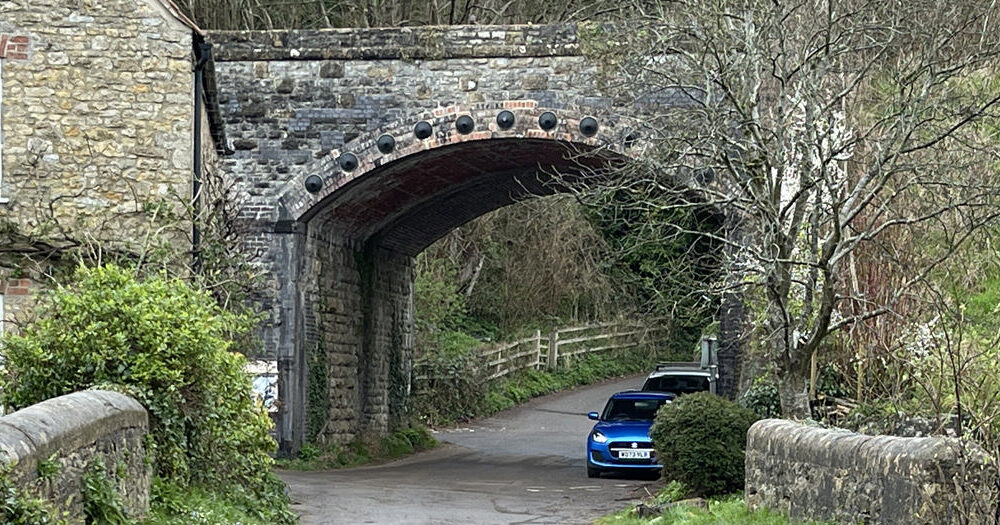
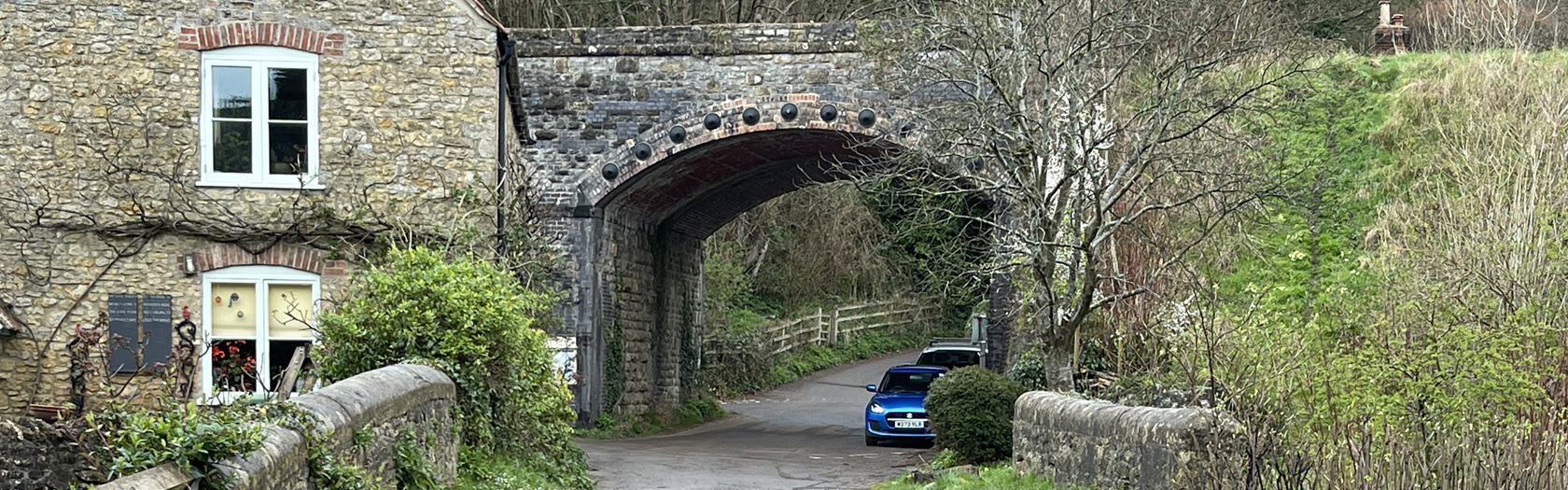
Client: Somerset Council. Main Contractor: Neom. Location: Pitcombe Bridge, Somerset. Completed: 2026
Putting wildlife first
Every historic bridge presents its own challenges and at Pitcombe Bridge the engineering solution wasn’t the only consideration. During the planning stages, the project was paused after potential bat roosts were identified within the bridge, allowing ecological surveys to be undertaken. Once the necessary permissions were secured, work could begin in a way that protected both the structure and its local wildlife..
Hidden problems: voids, water ingress and historic deterioration
Although the bridge remained in service, our inspection revealed significant deterioration hidden beneath the surface. Years of water ingress had washed mortar from within the arch barrel, leaving voids measuring up to 450mm deep. Previous cement-based repairs had trapped moisture within the masonry, accelerating the deterioration of the surrounding stone, while localised movement within the spandrel walls suggested the bridge had been responding to increasing loading over many years. Somerset Council required a repair solution that addressed these underlying defects while preserving the bridge’s historic character and avoiding unnecessary reconstruction.
Sympathetic bridge repair
Stress’ Goldhawk bridge division designed a sympathetic repair and strengthening scheme that combined traditional masonry conservation techniques with modern structural engineering. Deteriorated stonework was carefully repaired using compatible replacement materials, while defective joints were repointed using traditional lime mortar. Hidden voids within the arch barrel were stabilised through deep grouting before the bridge was strengthened using the Masonry Arch Repair and Strengthening (MARS) System. Installed discreetly within the existing structure, the reinforcement enhanced the bridge’s structural resilience while preserving its historic appearance. Throughout the project, careful planning ensured the works respected the live watercourse, ecological constraints and the significance of this heritage asset.
Benefits and results of the completed contract
- Preserved a historic masonry arch bridge through repair rather than replacement.
- Stabilised significant hidden voids caused by long-term water ingress.
- Combined traditional masonry conservation techniques with the MARS strengthening system.
- Delivered a long-term structural solution while maintaining the bridge’s historic character.

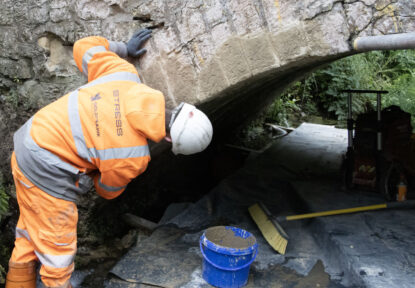
The Stress Goldhawk Bridge Division team
After a thorough inspection our report revealed significant hidden damage to the masonry arch
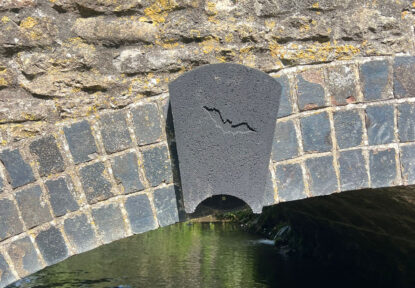
Bat roosts and environmental concerns
Ecological surveys were conducted to ensure the repair could not disturb or damage the wildlife.
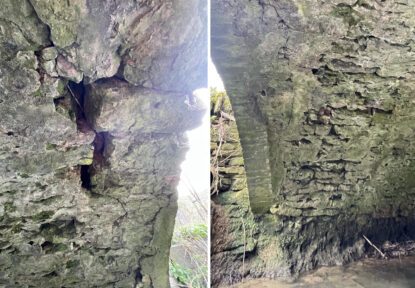
Extensive water ingress
These images of the arch barrel show how much mortar had been washed away.
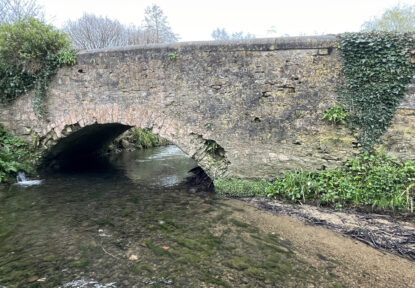
Destabilising voids in the masonry
Years of water ingress and movement from increased loading had produced large voids measuring up to 450mm deep.
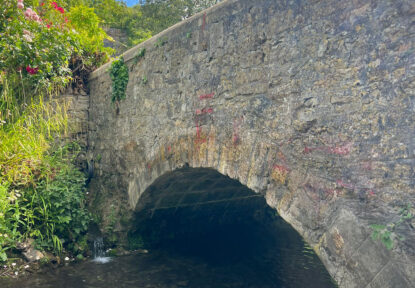
Washed mortar and historic repairs
Previous cement based repairs had trapped in moisture, exacerbating the water ingress problems.
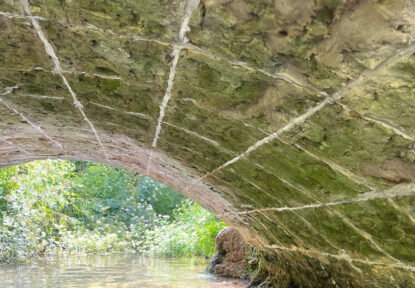
Our MARS repair scheme
Masonry conservation using MARS delivered a long-term structural repair without compromising the historic characteristics.